

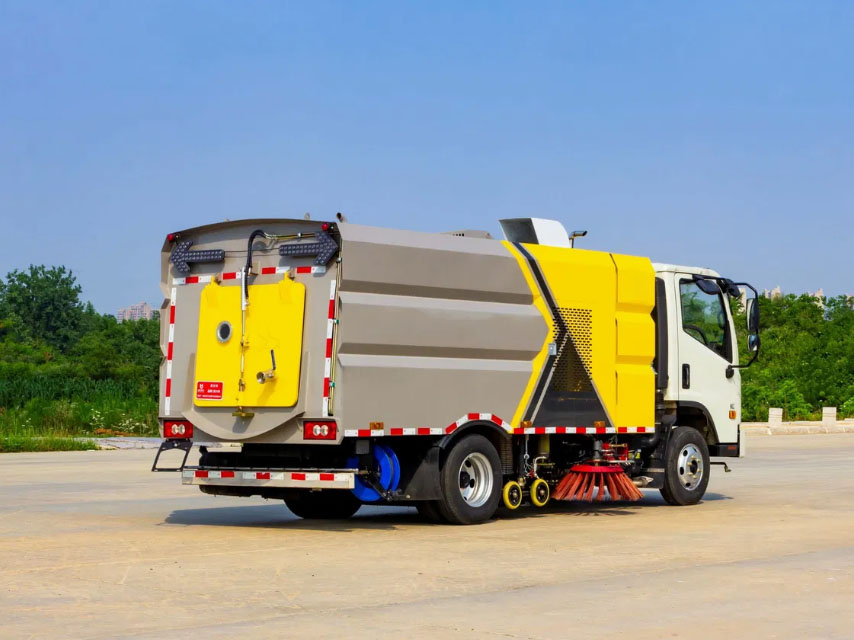
How to Choose the Right Road Sweeper Truck for Your Cleaning Needs?
Choosing a road sweeper truck is not just about size or price. Different roads, debris, and cleaning areas need different truck configurations.
Before buying a road cleaning truck, define your actual needs. Consider the road width, cleaning area, debris type, cleaning frequency, sweeping width, waste capacity, and maneuverability. Water supply and maintenance needs also matter.
The right street sweeping vehicle can improve cleaning efficiency and control operating costs. The wrong configuration may waste resources or perform poorly in tight or demanding areas.
This guide covers the key factors to consider, including vehicle size, sweeping system, capacity, operating conditions, maintenance, and overall ownership needs.
Key Road Sweeper Specifications
When comparing a road sweeper truck, look beyond the basic vehicle size. Each specification affects cleaning performance and daily operation.
| Specification | What to Check | Why It Matters |
| Cleaning width | Sweeping coverage per pass | Wider coverage can reduce cleaning time |
| Water tank | Tank capacity and refill needs | Affects operating time and water use |
| Waste hopper | Waste collection capacity | Larger capacity means fewer stops to empty |
| Sweeping system | Brush type and layout | Affects how well different debris is collected |
| Suction system | Suction power and design | Helps remove dust and fine debris |
| Maneuverability | Turning space and vehicle size | Important for narrow streets and tight areas |
| Chassis size | Vehicle dimensions and load capacity | Should match the working area and road conditions |
| Operating environment | City roads, industrial areas, parking lots, etc. | Determines the right vehicle configuration |
| Maintenance | Access to brushes, filters, pumps, and other parts | Easy maintenance can reduce downtime |
For a road cleaning truck, the best configuration depends on the actual cleaning area, road conditions, and daily workload.
Road Sweeper Configurations and Applications
Different cleaning jobs need different road sweeper truck configurations. The right choice depends on the road, cleaning area, and daily workload.
Mini Road Sweeper Trucks
A mini road sweeper truck is useful where space is limited. Its compact size makes it easier to operate on narrow streets, parking lots, residential areas, and small municipal roads. It is also a practical option when the cleaning area is spread across tight or busy spaces.
Standard Road Sweeper Trucks
Standard sweepers are suited to regular municipal road cleaning. They offer a balance between cleaning coverage, waste capacity, and maneuverability. They can be used on city streets, public roads, industrial areas, and larger parking facilities.
Larger Road Sweeper Trucks
Larger configurations are better suited to wide roads and large cleaning areas. They can carry more waste and support longer operating periods. These trucks are often considered for major municipal roads, industrial sites, and other areas with high cleaning demand.
Which Configuration Fits Your Work?
- Narrow streets: Mini road sweeper truck
- Parking lots: Mini or standard sweeper
- City streets: Standard road sweeper truck
- Industrial areas: Standard or larger sweeper
- Large municipal roads: Larger road sweeper truck
The right street sweeping truck is not always the largest one. Choose a configuration that matches the road size, cleaning frequency, debris load, and available operating space.
Road Sweeper Truck Buying Checklist
Before choosing a road sweeper truck, define your actual road cleaning needs. This simple checklist can help:
- Road type: city streets, narrow roads, parking lots, or industrial areas?
- Cleaning area: How large is the area to be cleaned each day?
- Debris type: Will it collect dust, leaves, sand, mud, or larger debris?
- Cleaning frequency: Will the truck operate daily, weekly, or only when needed?
- Cleaning width: Do you need a wide sweeping path or better access to narrow areas?
- Waste capacity: Is the hopper large enough for the expected debris load?
- Water use: How much water is available, and how often can the truck be refilled?
- Maneuverability: Can the vehicle turn and operate easily in the available space?
- Operating hours: How long will the truck run during each working shift?
- Maintenance: Are brushes, filters, pumps, and other key parts easy to inspect and replace?
- Service support: Are spare parts and technical service available in your operating area?

These points should be checked alongside the main sweeper truck specifications. A larger truck is not always the right choice. The best configuration is the one that matches your needs.
Use this road sweeper truck buying guide to compare specific vehicle configurations based on your actual requirements.
Operating Cost and Maintenance
The purchase price is only part of the cost of a road sweeper truck. Daily operation and maintenance can have a bigger impact over time.
Consider these factors before buying:
- Fuel use: Frequent or long-distance operation can increase fuel costs.
- Water consumption: Check how much water the sweeping system uses and how often the tank needs refilling.
- Brush wear: Brushes wear with regular use and need periodic replacement.
- Suction system: Filters, hoses, and other suction parts require regular inspection and cleaning.
- Waste hopper: The hopper should be easy to empty and clean to reduce downtime.
- Spare parts: Check whether common replacement parts are easy to source.
- Service support: Local technical support can make repairs faster and reduce downtime.
- Operating frequency: A truck used every day may require more frequent service than one used occasionally.
Good road sweeper maintenance helps keep cleaning performance stable and extends equipment life. When comparing trucks, look at the total ownership needs, not just the initial price. A practical choice should balance cleaning performance, maintenance requirements, operating costs, and service support.
When Is a Compact Road Sweeper a Good Choice?
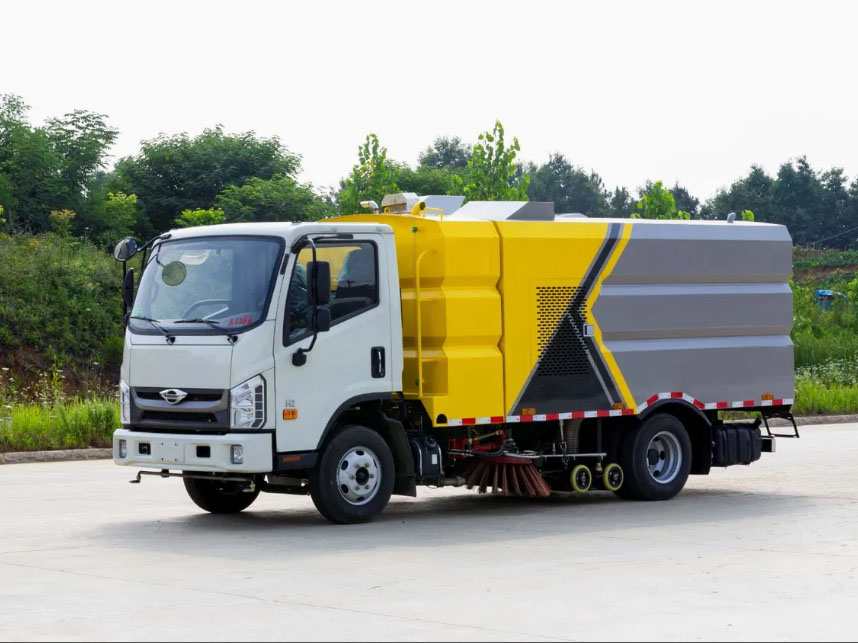
A compact sweeper can be useful when maneuverability matters more than cleaning capacity. It can work well on narrow streets, small municipal areas, parking lots, residential roads, and other tight spaces.
For example, a 3CBM mini road sweeper truck can be considered when the cleaning area is limited or access is difficult for larger trucks. Its compact design can make turning and daily operation easier in confined areas.
Before choosing a compact road sweeper truck, consider the road width, cleaning area, debris load, cleaning frequency, and required sweeping capacity. The right size should match the job rather than simply being the largest available option.
FAQ: Road Sweeper Truck Buying
1. What size road sweeper truck do I need?
Choose based on road width, cleaning area, debris volume, and daily workload. Compact models suit narrow or tight areas, while larger trucks fit wider roads and heavier workloads.
2. What should I check in a sweeping system?
Check the brushes, suction system, sweeping width, and waste collection system. These directly affect cleaning performance.
3. Is a mini road sweeper suitable for city streets?
It can be suitable for narrow streets, residential areas, parking lots, and other spaces where maneuverability is important. Check the road width and cleaning workload first.
4. How important are hopper and water tank capacity?
Both affect operating time. A larger hopper can reduce emptying stops, while adequate water capacity can reduce refill frequency. Choose capacity based on daily workload.
5. What maintenance should buyers expect?
Regular road sweeper maintenance may include brush replacement, filter cleaning, suction-system checks, and hopper cleaning. Spare parts and service support should also be considered.
6. How should I compare different road sweeper trucks?
Compare the cleaning system, capacity, maneuverability, chassis, maintenance, and operating costs. When searching a road sweeper truck , match these features to your actual cleaning needs rather than choosing by size or price alone.
Conclusion
Choosing the right road sweeper truck starts with understanding your actual road cleaning needs. Focus on the key factors: road type, cleaning area, debris type, operating frequency, sweeping capacity, maneuverability, maintenance, and operating costs. Match these requirements with the truck’s sweeping system, chassis, waste hopper, and water capacity before making a purchase.
At CRRC Vehicles, we provide practical insights into global vehicle technologies, market trends, and mobility solutions. Our goal is to help buyers better understand vehicle options and make informed decisions based on real operating needs.