

Introduction to the Largest Fire Trucks
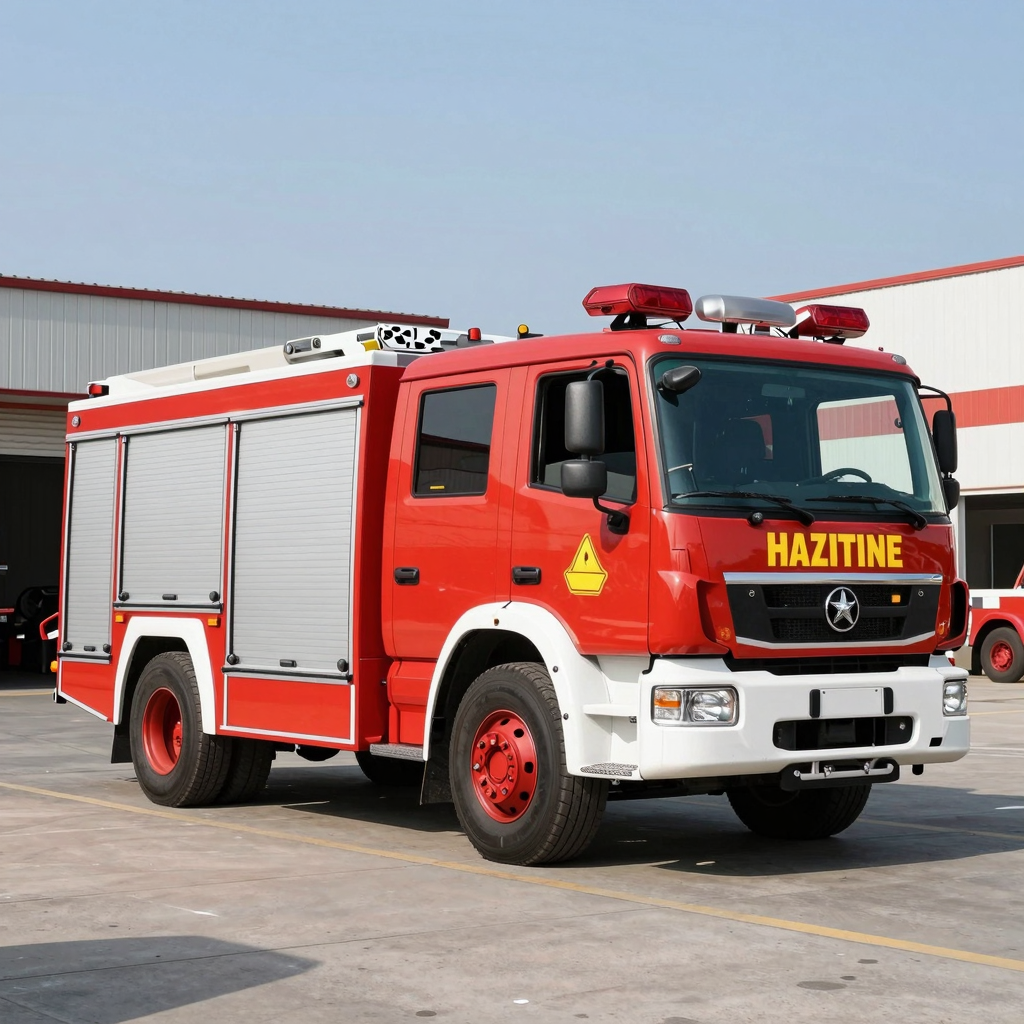
In the realm of emergency response vehicles, the largest fire trucks stand as towering symbols of public safety and efficiency. These massive fire safety machines are not just impressive in size; they are equipped with advanced technology and engineering that enable them to tackle extensive fire emergencies effectively. Their importance in safeguarding lives and properties cannot be overstated, especially in urban environments fraught with high density and potential hazards. The sheer capacity of these vehicles allows them to transport vast amounts of water and fire suppression materials directly to the site of an incident, drastically reducing response times and enhancing firefighting efficiency.
The article will delve into the various types and specifications of the world’s largest fire trucks, highlighting models like the Black Panther 8×8 and Volkan Lion 8×8, which are engineered for rapid response in critical situations. Moreover, we will explore how these trucks integrate into the larger framework of fire safety equipment and provide crucial support to emergency response teams. With comprehensive insights into their capabilities, uses, and the technology behind them, this article aims to illuminate why investing in such vehicles is vital for business owners in ensuring community safety.
Learn more about fire truck apparatus manufacturers
Explore the types of fire trucks and their roles in saving lives
The Evolution of Fire Trucks: Growth in Size and Capability
Fire trucks have a rich and fascinating history, evolving from humble beginnings into the sophisticated machines we see today. The journey of fire trucks illustrates the intersection of engineering ingenuity, public safety needs, and advancements in technology. To understand this evolution, let’s explore some key milestones and innovations that have shaped fire truck design and functionality.
Early Innovations
The history of fire trucks dates back to 1518, when the first known fire-fighting vehicle-a manually operated pump mounted on a cart-was reportedly built by Antoni Bratner in Augsburg, Germany. This early “fire carriage” was pulled by horses and depended entirely on human effort for water pressure. The Great Fire of London in 1666 propelled the need for improved firefighting tools, leading to the introduction of hand-cranked pumps mounted on wheeled carriages.
By the early 19th century, advancements in steam power dramatically changed fire apparatus. In 1829, British engineer John Breswell pioneered the first steam-powered fire engine in London, which could deliver large volumes of water at high pressure-though it remained horse-drawn. This marked a turning point in firefighting capabilities and set the stage for future developments.
Motorization and Standardization
The dawn of the 20th century saw the transition from horse-drawn engines to motorized fire trucks. In 1901, the Royal Cadet Company in Liverpool introduced the first gasoline-powered fire truck, often described humorously as “the sputtering beast” due to its unreliable performance. Throughout the 1910s, most major cities across the U.S. began adopting motorized fire apparatus, reflecting a significant shift in design and operation.
The 1920s established the basic blueprint for modern fire trucks with standardized designs based on commercial truck chassis. These new vehicles integrated hydraulic pumps, onboard water tanks, ladders, and improved safety features to enhance firefighting efficiency. The design revolution enabled fire departments to respond more rapidly and effectively to emergencies.
Recent Innovations: Capacity and Technology
Today’s fire trucks are often astonishingly large and equipped with cutting-edge technology. Recent innovations emphasize not only size but also functionality. For instance, the integration of computerized systems, thermal imaging cameras, and onboard water purification systems are just a few examples of how modern vehicles are tailored to meet complex demands.
Moreover, the period from the 1950s to the 1970s was marked by the incorporation of aerial ladders and advanced hydraulic systems, allowing fire trucks to reach greater heights and tackle more challenging fire scenarios. Today, many fire departments are transitioning to electric fire trucks, reflecting a commitment to sustainability and eco-friendly practices.
The Future of Fire Trucks
Looking ahead, the focus on intelligence and automation is set to transform fire trucks even further. The use of drones for reconnaissance and AI for optimizing resource allocation and routing in real-time is gaining traction. This evolution not only enhances operational efficiency but significantly improves firefighter safety.
In summary, the history of fire trucks is characterized by a continual promise of innovation, driven by both the need to better protect the public and the requirement to ensure firefighter safety. As technology progresses, we can expect fire trucks to become not only larger and more capable but also smarter, driving a new era in emergency response. For more insights into the innovations redefining fire truck capabilities, check out fire truck innovations and explore the history of emergency vehicles.
Comparison of the World’s Largest Fire Trucks
Here’s a table comparing the sizes and features of some of the largest fire trucks in the world, including their dimensions, water capacity, and notable technological features.
| Fire Truck Model | Dimensions (L x W x H) | Water Capacity (liters) | Notable Technology |
|---|---|---|---|
| Black Panther 8×8 | 12m x 3m x 4m | 12,000 | 10,000 L/min pump, 100m reach, armored protection |
| Volkan Lion 8×8 | N/A | 7,000 | 4,000 L/min pump, armored hull, dual engines (1,300 HP) |
| Sinotruk HOWO 4×2 | 8,450mm x 2,500mm x 3,540mm | 8,000 | CB10/40 pump, 50m range, customization options for foam |
| Pumper Tenders (General) | 8-12m x 2.5-3.5m | 10,000+ | High-capacity pumps, thermal imaging, AI-assisted features |
Overview
- Black Panther 8×8: Known as the largest and most advanced firefighting vehicle, this Austrian-manufactured truck can deliver massive amounts of water and offers robust off-road capabilities.
- Volkan Lion 8×8: This military-grade fire truck combines speed and strength, perfect for airport and disaster response.
- Sinotruk HOWO: A versatile commercial model, commonly used for urban firefighting, known for its reliability and cost-effectiveness.
By reviewing this table, business owners can understand the extensive capabilities of these fire trucks, which may influence firefighting strategies and equipment acquisition in various sectors.
Utilization of Large Fire Trucks in Emergency Situations
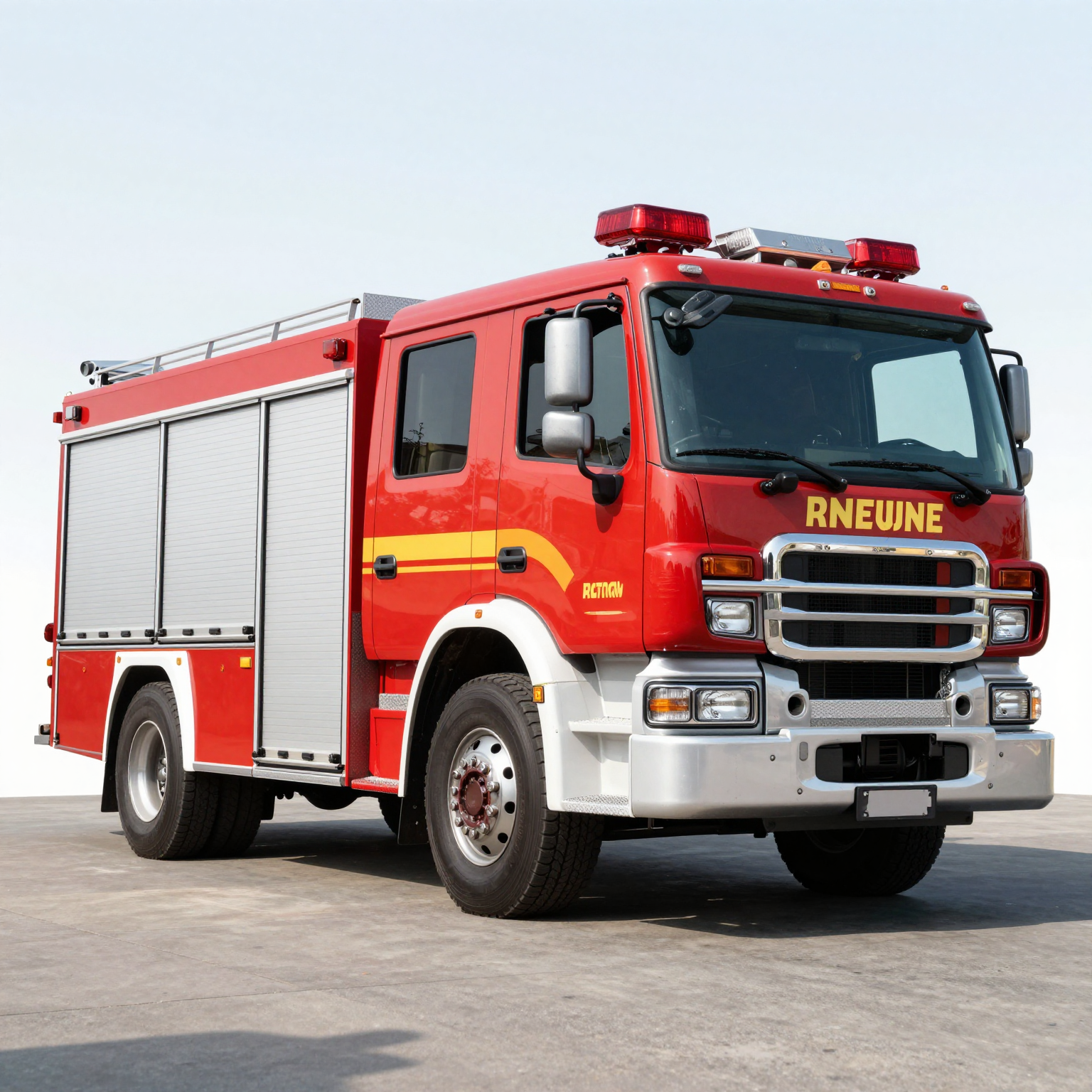
Large fire trucks are vital assets in emergency response, particularly when tackling scenarios like forest fires and fires in urban high-rise buildings. Their design and capabilities are tailored to handle diverse and demanding firefighting situations, incorporating advanced technology and robust structures to ensure effective emergency response.
Scenarios Where Large Fire Trucks Are Used
Forest Fires
Large fire trucks equipped with water tanks and hoses are essential in forest fire scenarios. They often feature specialized equipment that enables them to deliver water quickly to remote areas. For instance, the operational effectiveness of these vehicles in rugged terrain is essential for limiting the spread of fire in forests, where swift response and high water capacity can save vast tracts of woodland and prevent damage to surrounding properties. Studies have shown that optimized parameters in these trucks, including their water supply mechanics, can significantly enhance firefighting efficacy against wildfires (source).Urban High-Rises
In the case of urban settings, particularly high-rise buildings, large fire trucks are equipped with aerial platforms that allow firefighters to reach elevated floors quickly. This is crucial during emergencies where every second counts. These trucks not only transport personnel and firefighting equipment but also provide high-capacity water pumps capable of delivering water directly to upper floors. This capability is enhanced by advanced communication systems that facilitate coordination among emergency responders (source).
Firefighting Capabilities
Large fire trucks come equipped with several unique capabilities that significantly improve firefighting strategies:
- High Water Capacity: Many trucks hold thousands of gallons of water, ensuring that firefighters have an adequate supply to combat fires effectively.
- Aerial Ladders: Aerial ladders are essential for reaching high locations safely, enabling personnel to rescue individuals and spray water into upper levels of burning structures.
- Advanced Pumping Systems: High-capacity pumps are capable of delivering powerful water streams, helping to extinguish fires rapidly.
The utilization of large fire trucks has transformed emergency response protocols in both rural and urban environments, amplifying the effectiveness of firefighting strategies. Their unique advantages play a pivotal role in saving lives and protecting property from the devastating impacts of fires.
“Large fire trucks remain the backbone of urban emergency response due to their capacity for high-volume water delivery, advanced ladder systems, and onboard equipment for structural firefighting and rescue operations. Their effectiveness is particularly critical in high-rise buildings and large industrial fires where rapid, sustained suppression is essential.”
- Dr. Elena Rodriguez, Senior Fire Safety Researcher, National Fire Protection Association
For more insights on the importance of fire trucks in effective firefighting, you can read this report.
If you’re interested in learning more about fire truck capabilities, check out Fire Truck Capabilities and Operational Effectiveness.
Cutting-Edge Technology in Modern Large Fire Trucks
Modern large fire trucks are not just vehicles; they are sophisticated machines equipped with an array of cutting-edge technology designed to enhance firefighting capabilities. As emergency response needs grow and evolve, the integration of advanced technologies has transformed how fire departments operate. Key areas of technology in modern firefighting tools include advanced firefighting equipment, communication systems, and GPS technology.
Advanced Firefighting Equipment
Large fire trucks today utilize the latest firefighting equipment that improves their effectiveness and safety. For instance, the inclusion of smart firefighting tools, such as:
- Automated Water Pump Systems: These systems can automatically adjust water pressure and flow rates based on real-time needs during an emergency, maximizing efficiency and safety.
- Thermal Imaging Cameras: Essential for locating victims in smoke-filled environments, these cameras help firefighters identify hotspots and navigate hazardous conditions. They have become indispensable tools in ensuring efficient rescues and fire management.
- Firefighting Drones: Increasingly, fire departments are using drones equipped with thermal imaging and high-definition cameras to assess situations from above before deploying ground units, making strategic firefighting decisions easier.
Integrated Communication Systems
Effective communication is critical in emergency situations. Modern large fire trucks are now equipped with advanced communication technologies that enable:
- Real-Time Data Sharing: Firefighters can receive updates and data from command centers on-the-go, which ensures they are fully informed about incidents as they unfold.
- Enhanced Inter-agency Collaboration: These trucks are often integrated with multi-agency communication systems to facilitate collaboration between fire departments, police, and medical services. For instance, systems utilizing 4G/5G connectivity for high-definition video communications allow for clear interactions among team members during a resilient response to emergencies. (source: FEMA)
GPS Technology and Telematics
GPS technology plays a pivotal role in managing large fire truck fleets. By leveraging Global Positioning Systems and telematics, fire departments can:
- Optimize Routes: Real-time tracking allows fire engines to determine the fastest routes to an incident, reducing response times significantly.
- Monitor Vehicle Health: Advanced telematics provide data on vehicle performance, including fuel efficiency and maintenance needs, ensuring that fire trucks are always ready for deployment. This predictive maintenance reduces downtime and increases the reliability of fire-fighting efforts. (source: American Fire & Rescue Magazine)
Future Trends
Looking ahead, the future of fire truck technology is poised to integrate more artificial intelligence (AI) and Internet of Things (IoT) capabilities, which will transform emergency response further. AI can analyze data collected from incidents to improve resource allocation and training, while IoT-enabled devices can monitor conditions in real time, giving firefighters an edge in managing hazards efficiently. For example, systems that analyze environmental conditions can provide insights into how fires are likely to spread, allowing for better strategic planning. (source: IEEE Spectrum)
Conclusion
The integration of advanced firefighting equipment, sophisticated communication systems, and enhanced GPS technology into large fire trucks marks a significant shift in modern firefighting techniques. As we continue to leverage these technologies, we can expect to see even greater advancements in safety, efficiency, and effectiveness in fire response operations, ensuring that firefighters are better equipped than ever to protect lives and property. Fire departments looking to enhance their capabilities should consider these innovations as essential elements in their strategic planning. For more insights into fire truck technology and modern firefighting tools, learn more here.
Top Manufacturers of Large Fire Trucks
The fire truck manufacturing industry has seen remarkable advancements in technology and engineering, setting the stage for innovative firefighting solutions. Here’s a list of some of the top manufacturers of large fire trucks, highlighting their significant contributions and unique approaches within the industry.
Oshkosh Corporation
Headquartered in Wisconsin, Oshkosh Corporation is a dominant player in the large fire truck market. Its renowned brands, including Pierce Manufacturing and Seagrave, are leaders in innovation. Oshkosh’s Striker series incorporates advanced features like high-power engines and sophisticated automatic transmissions, contributing to off-road performance. Notably, they are investing in electrification, with the Pierce Volterra model utilizing parallel electric drive technology for enhanced operational endurance.REV Group
Holding around 30% of the U.S. fire truck market, REV Group is recognized for its focus on customization and efficiency. The company utilizes advanced manufacturing techniques like laser cutting to deliver specialized vehicles tailored for different sectors, including municipal and airport services. Their commitment to optimizing vehicle lifecycles results in significant cost savings for clients.Pierce Manufacturing
As a subsidiary of Oshkosh Corporation, Pierce is noted for being the largest municipal fire apparatus manufacturer in the U.S. They are pioneering electric fire trucks with the Volterra model, which features a proprietary hybrid drivetrain and intelligent systems for better operational efficiency. This innovative approach positions Pierce as a leader in sustainable firefighting.FWD Seagrave
With a rich history of over 140 years, FWD Seagrave excels in engineering high-performance fire vehicles. The company specializes in custom-built apparatus, from heavy rescue vehicles to high-capacity pumpers. Their in-house production rate of 50% ensures superior quality control, resulting in low operating costs and high reliability in demanding situations.
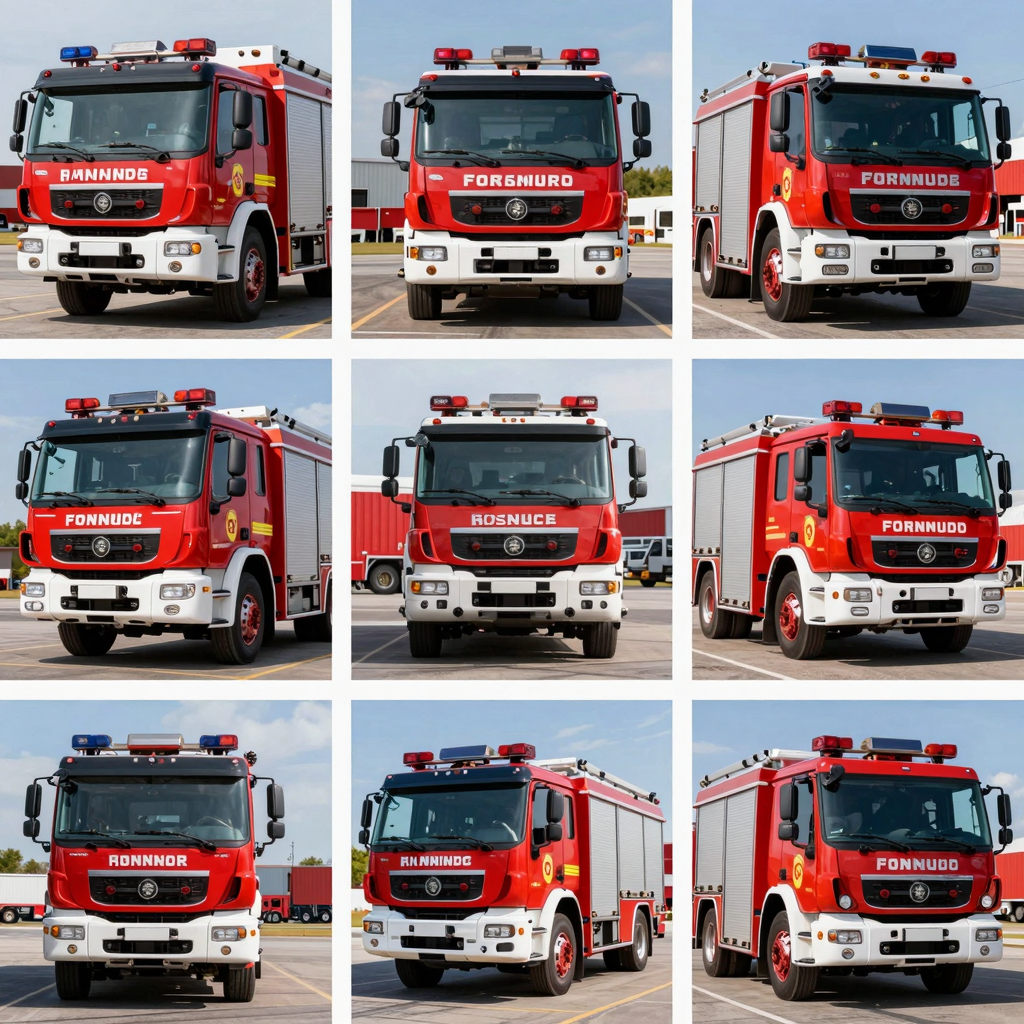
These manufacturers not only lead the market in sales but also drive technological progress, ensuring fire fighters are equipped with the best tools available. Keeping an eye on industry trends and innovations from these companies can provide valuable insights for business owners looking to invest in fire equipment.
Fire Incidents and Large Fire Trucks Usage
Understanding fire incident statistics is crucial for business owners in preparation and response planning. The deployment of large fire trucks has been pivotal in managing modern fire emergencies. Below is a chart illustrating the trends of fire incidents over years and the correlated usage of large fire trucks from 2010 to 2024.
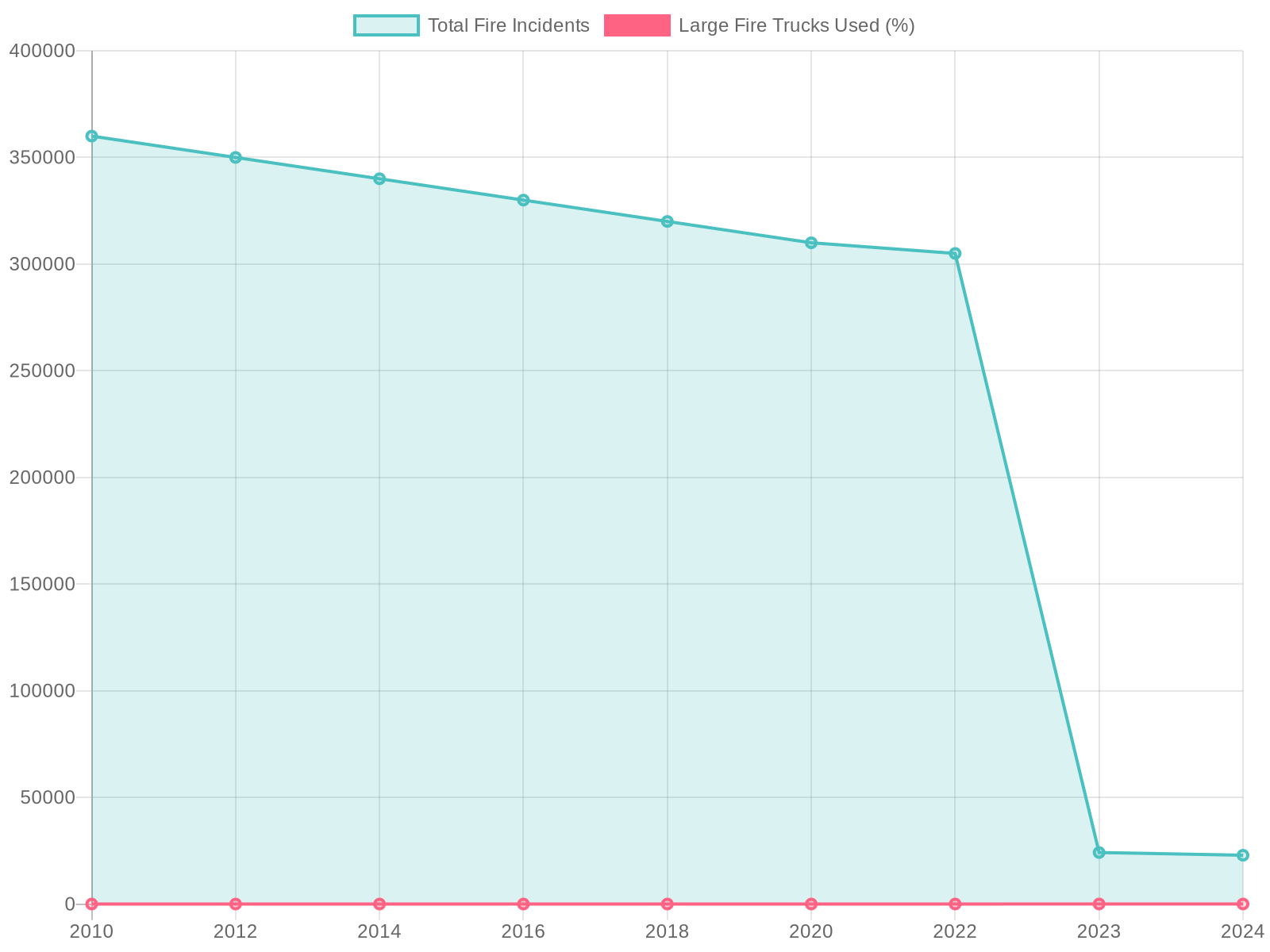
This chart showcases:
- A gradual decrease in total fire incidents.
- Increased utilization of large fire trucks, rising significantly by 73% by 2024, indicating their essential role in more complex emergency responses, particularly in urban settings and structures requiring advanced firefighting capabilities.
For more insights into fire apparatus, you can learn more here.
Conclusion: The Future of Large Fire Trucks in Safety and Innovation
In conclusion, the role of large fire trucks in firefighting and public safety is more critical than ever. As discussed throughout this article, advancements in technology are continuously enhancing the functionalities and reliability of these essential vehicles. From the incorporation of 360-degree camera systems for better visibility to automated emergency response systems that optimize route planning in real-time, the future of large fire trucks is deeply integrated with innovation that prioritizes safety.
The reliance on these sophisticated trucks not only aids in swift response times-often under four minutes-but also enhances overall operational efficiency, thus significantly reducing potential casualties and property damage during emergencies. Notably, modern fire apparatus come equipped with high-capacity water tanks and advanced pumping systems, which are vital for effective fire containment and rescue operations.
Furthermore, the shift towards embracing the Internet of Things (IoT) and telematics in fire trucks marks a transformative step in proactive safety management. Features such as driver behavior monitoring and real-time environmental assessments are paving the way for a safer working environment for firefighters. This not only improves their performance but ensures that they can serve their communities better.
As the industry moves forward, partnering with companies like CCIG can open up pathways for further innovation in the firefighting sector. By collaborating on new technologies and understanding the emerging trends, we can ensure that large fire trucks remain at the forefront of public safety.
Explore more about the relevant opportunities for innovation here and consider partnering with us to advance the future of fire safety together.