

Bin lifter types and bin size compatibility
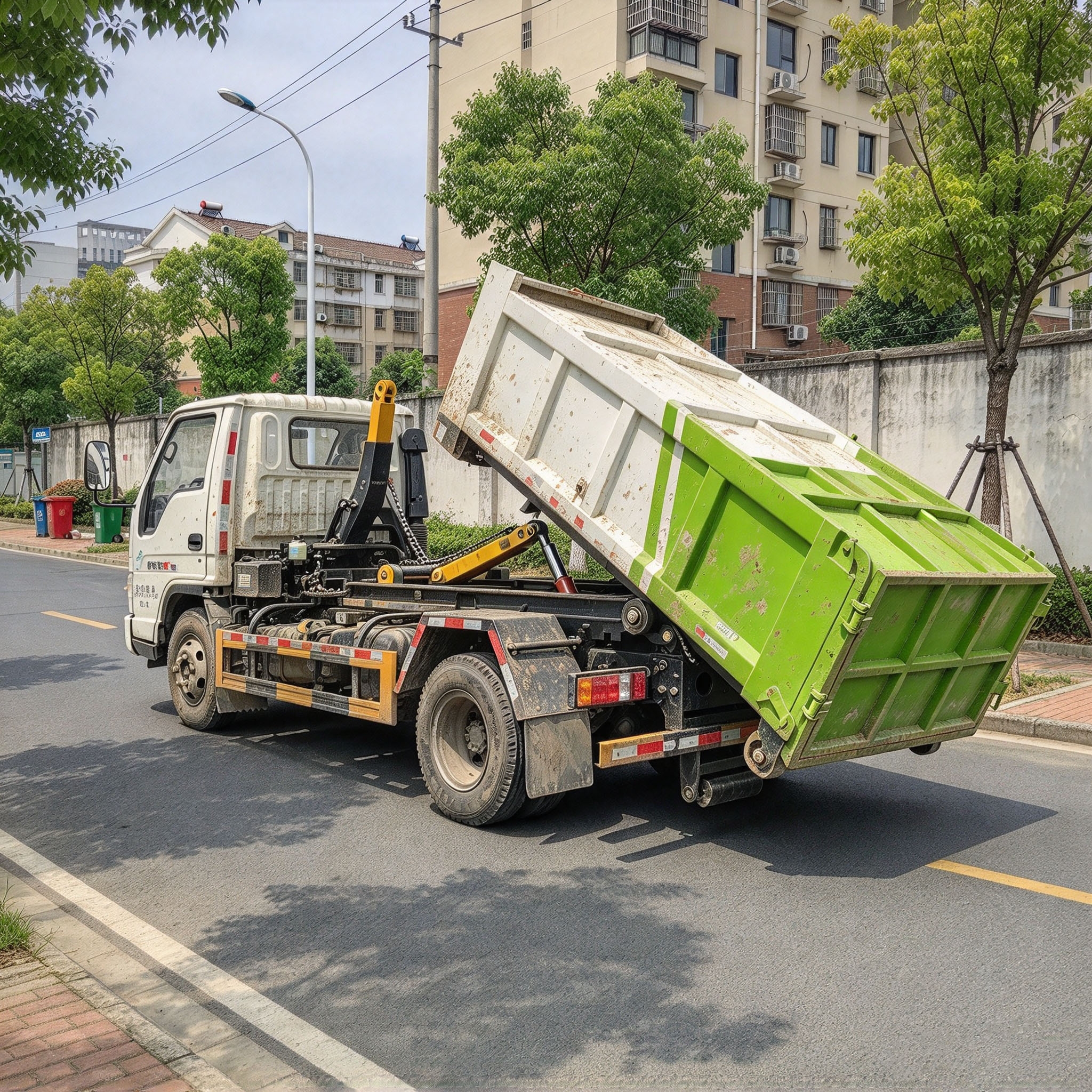
A bin lifter is the attachment that turns a refuse truck into a one-person collection machine. The catch is compatibility: a lifter built for a 240 L wheelie bin will not engage a 1100 L four-wheel container, and a mismatch means manual lifting or a missed collection. This guide covers the lifter types and the bin sizes each one handles, so the truck you specify actually picks up the bins on your routes.
The main lifter types
The rear-mounted comb lifter is the most common. It hooks the lip of a wheeled bin, lifts, tips, and returns the bin to the ground. It suits the small and mid wheelie bins found on household and commercial routes. The side-mounted lifter does the same job from the side and is popular where rear space is taken by compaction gear. The front-loader fork or cradle grips large four-wheel bins and rolls them up and over the cab – the standard for 660 L and 1100 L containers. Some bodies also use a custom cradle for non-standard or regional bin shapes, which is convenient until a bin type changes and the cradle no longer fits.
Bin standards and what they mean
Most wheelie bins follow DIN or EN 840 dimensions, which is why a comb lifter from one brand often fits a bin from another. The comb is the toothed bar the lifter grabs; if your bins carry the standard comb lip, a standard comb lifter will engage them. Four-wheel bins use a different interface – a trunnion or pin layout the fork or cradle captures – so they need the front-loader style, not a comb. Mixing the two is the most common compatibility mistake, and it is entirely avoidable if the standard is specified before the truck is built.
| Lifter type | Engages | Typical bin sizes |
|---|---|---|
| Rear comb | Bin lip (comb) | 120 – 360 L |
| Side comb | Bin lip (comb) | 120 – 360 L |
| Front fork / cradle | Trunnion or pin | 660 – 1100 L |
| Custom cradle | Non-standard bin | Region-specific |
Matching lifter to bin without guesswork
The safe way is to specify the lifter against the exact bin standard on your routes, then physically test one bin before the truck enters service. A lifter that grips but does not seat squarely will spill or strain the mechanism over time. Also confirm the controls let the operator reverse a partial tip, because jammed bins are a daily reality and a one-way tip cycle turns a jam into a delay.
Compatibility checklist
- Identify the bin standard on every route, whether DIN, EN 840, or regional.
- Match comb lifters to 120-360 L wheelie bins and fork or cradle to 660-1100 L.
- Test one real bin on the actual lifter before accepting the truck.
- Confirm the seated position is square and the return is smooth and reversible.
- Keep a small stock of the correct bin type so mixed fleets stay compatible.
- Document the bin standard on the order so a future driver or depot knows the rule.
Installing and aligning the lifter
A lifter is only as good as its alignment. It must sit square to the body and at the right height for the bin to travel up without catching. During installation, the shop should confirm the engage point, the tip arc, and the return path with the actual bin type, not a generic one. A lifter that is a few centimetres off will work in the yard and fail on the third bin of a real round, so the alignment check belongs on the acceptance list, not in the manual.
Maintaining the lifter
Maintenance is mostly about the pivot and the latch. Grease the pivot on schedule, inspect the comb teeth for wear, and check that the return spring or hydraulic assist still seats the bin cleanly. A worn comb slips under load and spills; a dry pivot groans and then binds. Both are cheap to prevent and disruptive to ignore, and both show up first on the heaviest, fullest bins of the day.
Regional standards you may meet
If your operation spans more than one country, expect bin standards to differ. European routes tend to use EN 840 comb bins; other regions may use DIN-derived or wholly local shapes. The safe approach is to standardize your bin fleet to one compatible standard and specify the lifter to match, rather than buying a truck and hoping the local bins cooperate. When bins are supplied by the municipality, confirm the standard in writing before the body is built.
Operator training and common failure modes
Most lifter failures are operational, not mechanical. Drivers who do not seat the bin fully, who tip on a slope, or who force a mismatched bin cause most spills and bent comb teeth. Train drivers to align, engage, and watch the tip, and to stop on a jam rather than power through it. The mechanical failures that remain – cracked welds at the mount, worn pivots, leaking assists – are caught by the maintenance schedule above.
How filled weight scales with bin volume
A bigger bin is not just bigger; it is much heavier when full. Glass and wet waste push a 1100 L container past 400 kg, which is why the larger bins need the fork or cradle lifter with a higher rated lift rather than a comb. Sizing the lifter by empty bin weight is the error; sizing it by the fullest realistic load is the rule.
Figure 1. Typical filled weight by bin volume for common wheelie and four-wheel bins.
Same figures in copyable form:
| Bin volume | Typical filled weight (kg) | Common lift standard |
|---|---|---|
| 120 L | 50 | DIN / comb |
| 240 L | 100 | EN 840 comb |
| 360 L | 150 | EN 840 comb |
| 660 L | 280 | Four-wheel, fork/cradle |
| 1100 L | 470 | Four-wheel, fork/cradle |
The cost of getting the match wrong
A wrong lifter match is not a theoretical risk; it is a daily operational tax. A comb lifter that will not seat a 1100 L bin means manual handling, slower rounds, and injured backs. A fork lifter specified for four-wheel bins that then meets a comb bin means a missed collection and a complaint. Either way the truck is correct on paper and useless on the route, and the fix – a new lifter or a new bin fleet – costs more than specifying correctly the first time. The compatibility checklist above is cheap insurance against exactly this.
When to choose a custom cradle
A custom cradle makes sense only when your bin type is fixed and non-standard and will stay that way for the life of the truck. It locks the body to one bin shape, which is fine for a dedicated operation and dangerous for a mixed or changing fleet. Before choosing it, confirm the bin type will not change; otherwise a standard comb or fork lifter keeps your options open and your resale value higher.
Frequently asked questions
Will any comb lifter fit my bins?If your bins follow DIN or EN 840 with a standard comb lip, most comb lifters will engage them. The real test is a physical seat on the actual lifter, because lip detail varies by region.
Can one lifter handle both 240 L and 1100 L bins?
Not with a single mechanism. The 240 L uses a comb lifter; the 1100 L needs a fork or cradle lifter. Some bodies mount both, but they are separate attachments.
Why does my lifter spill bins occasionally?
Usually a square-seat issue: the bin is not fully engaged before the tip, or the comb does not match the lip. Test seating and confirm the operator runs a full tip cycle, not a partial one.
What weight must the lifter actually rate for?
The filled weight, not the empty bin. A 1100 L container of glass or wet waste can exceed 400 kg, so size the lifter’s rated lift against your heaviest realistic load.
Is a side lifter better than a rear lifter?
It depends on body layout. Side lifters free the rear for compaction or a different bin type; rear comb lifters are simpler and cheaper for standard household routes. Match the mount to the body, not the other way around.
Should I standardize bin types across my fleet?
Where you can, yes. One compatible standard lets a single lifter type serve every route and prevents the mismatched-bin spills that mixed fleets suffer. Write the standard into the truck order so it is enforced at build.