

Sewer Combination Truck Job Fit and Nozzle Setup: A Buyer’s Guide
Published by CRRC Vehicles · Buyer’s Guide · Source: crrcvehicles.com
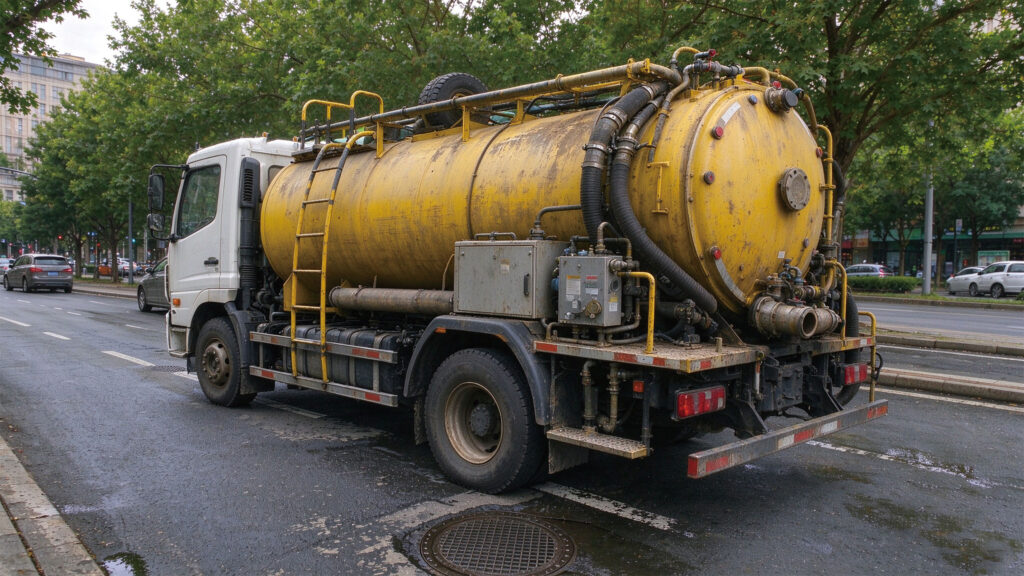
A sewer combination truck — sometimes called a jet-vac or combo unit — does two jobs in one machine. High-pressure water jets break up and push blockages down the line, while a powerful vacuum recovers the loosened debris, grit, and water back into a sealed tank. That combination is what makes these trucks the workhorse of municipal drainage crews. But “combination” covers a wide spread of configurations, and the right truck for a residential lateral is the wrong truck for a trunk main. Getting the job fit and the nozzle setup right is what separates a productive shift from a frustrating one.
The good news is that the choice is logical once you frame it correctly. Match the truck to the pipe sizes, the job mix, and the operating environment, and the configuration almost chooses itself. This guide covers job fit across tank split and pump capacity, the nozzle types and pressures that decide clearing performance, and the chassis, regulatory, and safety factors that keep the unit legal and safe. Frame your next spec around the work you actually do, and the combo truck earns its keep from the first shift rather than sitting half-suited to the job.
Matching the truck to the job
Job fit starts with tank split. A truck that spends its life on long trunk mains needs a large water tank to keep jetting without refilling, while a truck working short residential laterals can carry more debris capacity because it returns to a dump point often. Vacuum pump capacity — measured in cubic metres per minute — decides how fast you recover material, and jetting pump pressure decides how stubborn a blockage you can clear. A balanced combo for general municipal work typically pairs a mid-range vac pump with a jetting pump in the 100 to 150 bar class.
Nozzle types and the pressure they need
The nozzle is where jetting theory becomes field results. A penetrator nozzle concentrates flow into a forward jet to punch through hard obstructions and runs at the highest pressure. A rotating nozzle uses spinning rear jets to scrub pipe walls and is gentler on the pipe. A butt nozzle is the general-purpose workhorse for flushing. A drain or flush nozzle moves water for washing and light clearing at low pressure. Matching nozzle to pressure protects both the pipe and the pump.
Copyable data table
| Category | Value () |
|---|---|
| Penetrator | 120 |
| Rotating | 90 |
| Butt | 60 |
| Drain | 40 |
Hose, reel, and reach considerations
The jetting hose internal diameter and length decide reach and pressure loss. A smaller diameter loses less pressure over distance but moves less volume; a larger diameter feeds high-flow nozzles but is heavier to reel. A dedicated jetting reel keeps the high-pressure line separate from the vacuum hose so operators are not fighting tangled lines in a confined street. Hose length should cover the typical run from the truck to the farthest manhole without coupling extensions on every job.
Tank sizing and the dump cycle
Debris tank capacity sets how long you work before returning to a disposal point, and water tank capacity sets how long you jet. On a combo unit these compete for the same chassis payload, so the split is a real trade-off, not a free choice. Crews that dump debris at a nearby treatment plant can favour water capacity; crews that travel far to dump should favour debris capacity. The chassis gross weight limit is the hard ceiling on both.
Chassis, regulation, and operator safety
Payload is the constant constraint: water and debris are heavy, and an over-loaded combo truck fails its weighbridge and risks fines. Vacuum exhaust and pump noise are regulated in many cities, so specify compliant silencing. Operator safety is non-negotiable — high-pressure hose whip can maim, and confined-space entry around open manholes needs the right training and barriers. The truck is only as safe as the crew’s habits around it.
Spec checks before you buy
- Confirm vac pump capacity versus your typical debris volume.
- Match jetting pump pressure to the nozzles you will actually use.
- Check water-to-debris tank split against your dump geography.
- Verify hose diameter, length, and reel layout for reach.
- Confirm gross weight compliance with full tanks.
- Specify noise and exhaust compliance for your operating area.
Climate and seasonal factors in spec choices
Where you operate changes the right truck. Cold climates need heated water systems and anti-freeze provisions so the jetting circuit does not ice overnight. Dusty or sandy regions clog filters faster and argue for larger, more accessible service points. Coastal or corrosion-prone areas need upgraded tank and frame coatings. A truck specced for a mild inland city will underperform on a freezing or salty coast, so match the environment, not just the pipe size, when you write the specification.
Operator training and certification
A combo truck is only safe in trained hands. Crews need confined-space awareness around manholes, hose-handling discipline to prevent whip, and an understanding of vacuum and pressure limits to avoid equipment damage. Many municipalities require documented training before a crew can run the unit. Budget for that training as part of the purchase, because an untrained operator turns a productive machine into a liability on the first blocked main they encounter.
Matching the combo truck to your fleet size
Fleet size changes the right spec. A single truck serving a small town should be a true all-rounder with a balanced tank split, because it will meet everything from laterals to the occasional main. A large city fleet can afford to split roles: dedicated high-pressure units for mains and lighter combo units for residential streets, which raises efficiency because each truck stops doing work it is poor at. Buying the wrong mix, such as several over-specified mains trucks for a mostly-residential network, leaves capacity idle while laterals backlog. Match the truck count and spec to the actual job mix from your call data, not to a generic catalogue, and the fleet pays for itself faster.
Telematics and the modern combo truck
Newer combination trucks ship with telematics that log jetting pressure, vacuum load, water usage, and fault codes. That data turns guesswork into maintenance scheduling: you service the pump when the trend says so, not when it breaks. For fleet managers running several units, telematics also shows which nozzles and pressures your crews actually use, so the next spec reflects reality instead of the catalogue. If you are buying multiple trucks, specify the data interface up front, because retrofitting telemetry later is far costlier than ordering it built in. The information pays back through fewer breakdowns and tighter consumable control. For a single truck the gain is modest, but across a fleet of ten the avoided breakdowns and recovered consumables easily fund the next vehicle, which is why telemetry belongs in the base specification rather than the optional extras list.
Running the truck safely day to day
A combination unit is two hazards in one chassis, high-pressure water and a vacuum source, so daily discipline matters as much as the spec. Brief the operator on hose-whip danger before every job, because a charged hose that whips is the fastest way to a serious injury around a manhole. Set up barriers and signage at every open manhole, and never let anyone stand in the path of a pressurised nozzle or inside the vacuum zone. Check the relief valves and the tank levels before starting, and never exceed the rated pressure for the pipe diameter in front of you. Keep the operators certified and the pre-start checks written, because the combo truck’s productivity is only worth having if the crew comes home unhurt, and most incidents trace back to a shortcut someone took because the job felt routine.
Frequently asked questions
What is a combination sewer truck used for?
It both jet-cleans pipes with high-pressure water and vacuum-recovers the debris and water, making it the standard unit for blockage clearance and line maintenance.
How do I choose between nozzle types?
Use a penetrator for hard obstructions at high pressure, a rotating nozzle to scrub pipe walls, a butt nozzle for general flushing, and a drain nozzle for low-pressure washing.
Should I favour water or debris tank capacity?
Favour water if you jet long runs far from refill, and debris if you dump close by. The chassis weight limit caps the total of both.
What pressure is typical for jetting?
General flushing sits around 40 to 90 bar; penetrator nozzles for stubborn blockages run up toward 120 bar. Match the nozzle to avoid pipe or pump damage.
What is the biggest safety risk?
High-pressure hose whip and confined-space hazards around open manholes. Proper training, barriers, and hose handling discipline are essential.
A sewer combination truck earns its keep only when the configuration matches the work. Start from the pipe sizes and job types you actually face, set the tank split and pump capacities around your dump geography, and choose nozzles by the blockage you meet most often. Do that, and one machine clears more pipe in a shift than two mismatched ones ever will.